
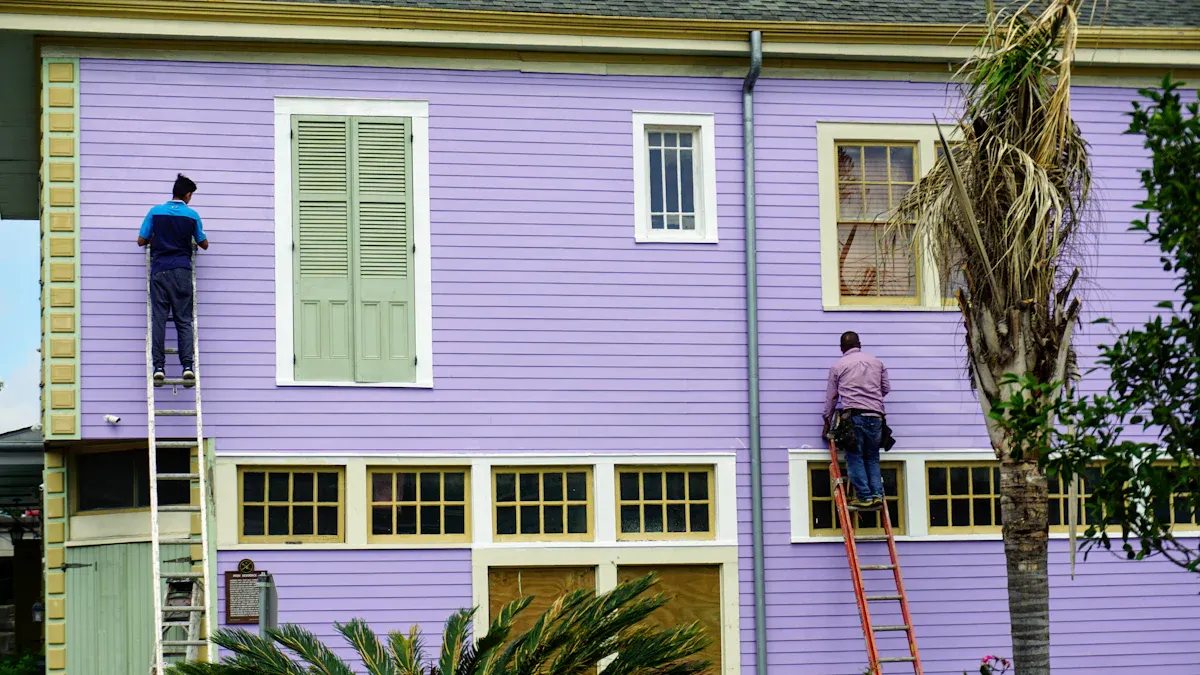
Want your siding hardie plank to look nice and last many years? Taking care of it often keeps your house safe and saves you cash. Easy things like cleaning once a year and checking caulking stop big problems.
- You pay less for repairs as time goes on.
- The siding hardie plank lasts a long time, so you replace it less.
Also, siding hardie plank works well in bad weather, and taking care of it helps your warranty work better.
Key Takeaways
- Clean your Hardie Plank siding once a year. This removes dirt and stops mold from growing. Cleaning helps your house look nice. It also helps the siding last longer.
- Check your siding for cracks and paint problems every year. Finding problems early can save you money. It also keeps your house safe.
- Make sure gutters and downspouts are not blocked. This lets water drain the right way. It stops water from getting behind your siding and causing harm.
Clean Siding Hardie Plank Regularly
Cleaning Frequency
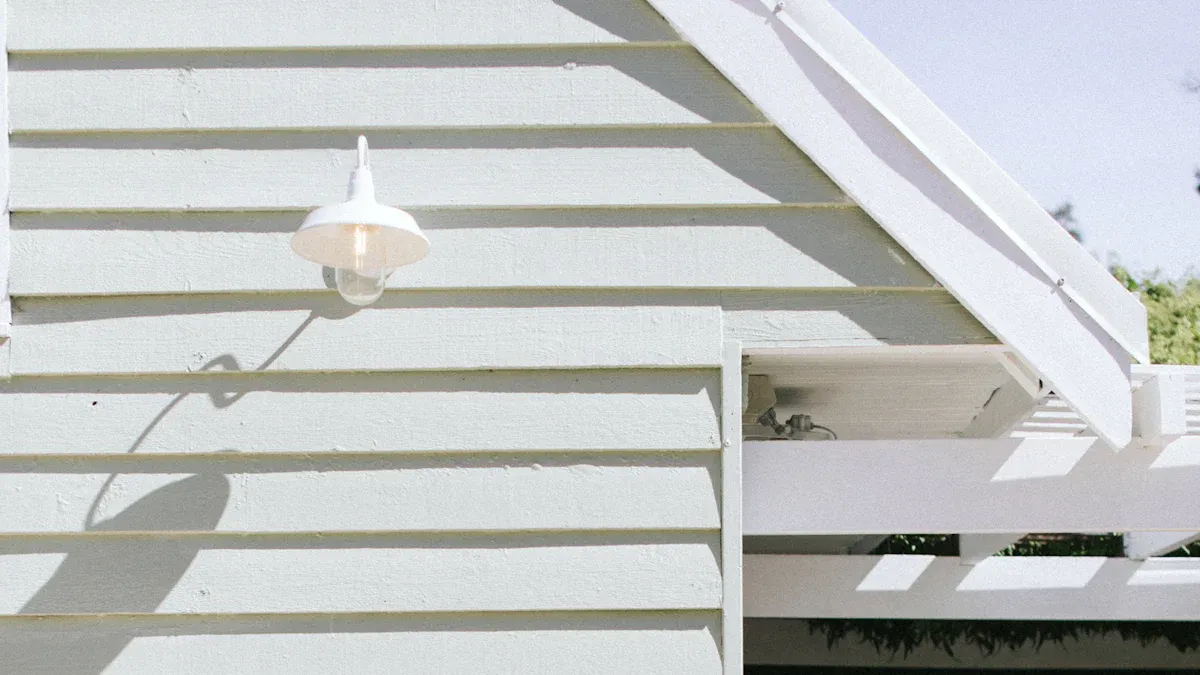
You want your siding hardie plank to look fresh and last longer, right? Regular cleaning makes a big difference. Most experts say you should clean it at least once a year. If you live in a humid area or near a busy road, you might need to clean it more often.
- Annual cleaning removes dirt, grime, algae, and mildew.
- Homes in damp climates or with lots of trees may need extra attention.
Safe Cleaning Methods
You don’t need fancy tools to keep your siding hardie plank clean. Grab a garden hose and a soft brush. Hand-washing works best.
Never use a high-pressure washer.
“Pressure washing uses high-pressure streams of water that can force moisture into places it shouldn’t go. The intense pressure from a power washer can drive water behind the boards, leading to mold growth, wood rot, and other structural issues over time.”
Stick with mild dish soap and water. Avoid bleach or harsh chemicals. Eco-friendly cleaners like vinegar or baking soda are safe for your siding and the plants around your home.
Quick Cleaning Steps:
- Start at the top and work your way down.
- Scrub in the same direction as the planks.
- Rinse with a garden hose.
- Don’t let the cleaning solution dry on the siding.
Removing Stubborn Stains
Sometimes, stains just won’t budge. Here’s how you tackle the most common ones:
- Mold and Mildew: Mix vinegar and water. Apply, let it sit, scrub gently, then rinse.
- Oil and Grease: Use warm water and mild dish soap. Apply, let it sit, scrub with a soft cloth, then rinse.
If you clean regularly and use gentle products, your siding hardie plank will stay in great shape for years.
Inspect and Repaint
When to Check Paint
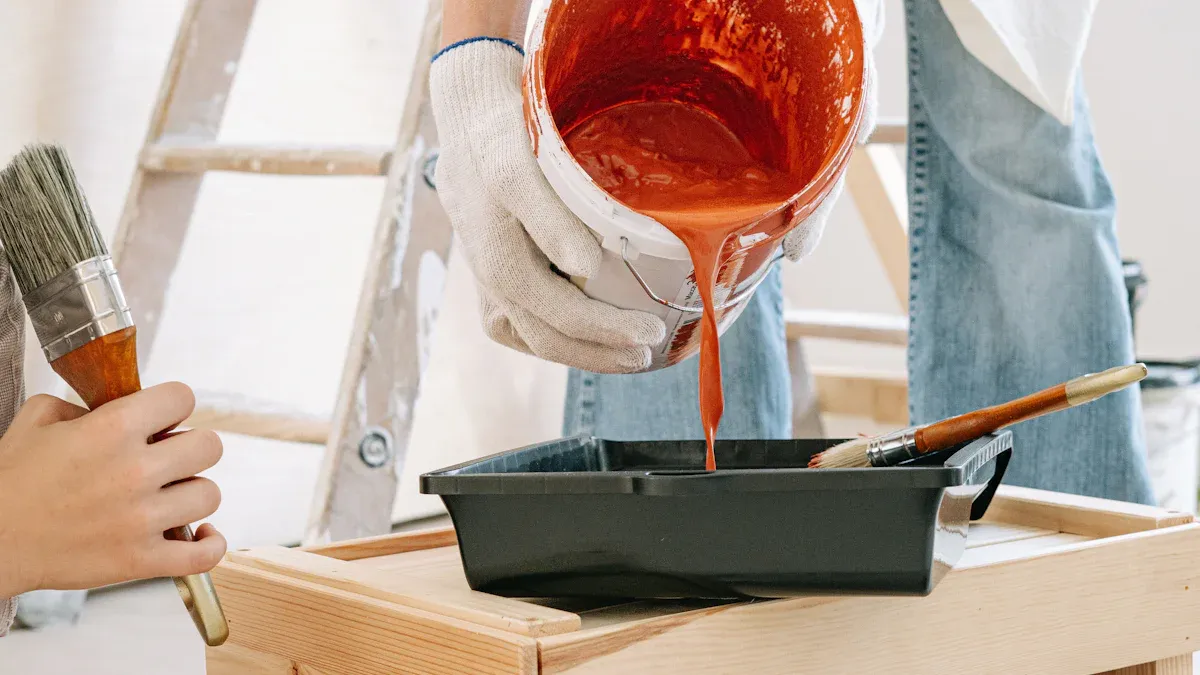
You want your home to look sharp and stay protected. Checking the paint on your siding hardie plank once a year helps you catch problems early. Walk around your house and look for cracks, chips, or faded spots. If you see mold, mildew, or warping, you should act fast. These signs mean your siding needs attention right away.
Tip: Small cracks and gaps can let water and pests inside. Fixing them early saves you from bigger headaches later.
Repainting Steps
Repainting keeps your siding looking fresh and strong. Here’s a simple way to do it:
Inspect the siding. Look for damage like cracks or chips. Repair these spots before you start painting.
Clean the surface. Use mild soap and water to wash away dirt and mildew. Let the siding dry completely.
Prime any bare areas. If you see spots without paint, use a high-quality acrylic primer.
Pick the right paint. Choose a paint made for exterior use.
Applying two coats of paint gives you the best coverage. If you feel unsure, ask a pro for advice.
Choosing Paint
Picking the right paint matters. Go for high-quality, 100% acrylic paint. Brands like Sherwin-Williams Duration, Behr Premium Plus, and Benjamin Moore Regal Select work well. Acrylic paint stands up to sun, rain, and changing weather. It stays flexible and lasts for years.
Note: Premium acrylic latex paint can protect your siding for up to twenty years. That means less work for you and more time enjoying your home.
Maintain Caulking
Where to Inspect
You want to keep water out of your home, right? Caulking plays a big role in protecting your siding hardie plank. Check the seams where the siding meets trim, soffit, or fascia. These spots are most likely to let water sneak in if the caulk cracks or pulls away. Walk around your house and look for gaps, peeling, or missing caulk. Pay close attention to corners and joints. If you see any trouble, it’s time to act.
Tip: Damaged or missing caulk can let water seep behind the boards. This can cause mold, wood rot, and even structural problems. Flashings and caulking keep water out of joints and corners, so don’t skip this step!
Here’s what can happen if you ignore caulking:
- Water can get behind the siding and cause moisture problems.
- Mold may start to grow inside your walls.
- The structure of your home can weaken over time.
Replacing Caulk
Ready to fix those gaps? Removing and replacing caulk is simple if you follow a few steps. First, use a utility knife or scraper to take out the old caulk. Clean the area so the new caulk sticks well. Only apply caulk where the siding meets trim, soffit, or fascia. Leave factory edge joints unsealed and make sure flashing is in place.
Steps for a clean finish:
- Remove old caulk with a scraper.
- Clean the surface with a damp cloth.
- Apply high-quality caulk that matches your siding.
- Smooth the bead with your finger or a caulk tool.
Using the right caulk helps your siding hardie plank stay strong and dry for years.
Keep Gutters and Downspouts Clear
Importance of Drainage
You might not think about your gutters much, but they play a huge role in keeping your siding hardie plank safe. When gutters and downspouts work well, rainwater flows away from your house. This keeps your siding dry and your foundation strong. If water spills over because of clogged gutters, you can run into big problems.
Here’s what happens when gutters get blocked:
- Rainwater backs up and spills over the edges.
- Puddles form around your foundation, which can lead to basement leaks.
- Water can overflow and seep behind siding panels.
- Moisture sneaks into the edges and joints of your siding.
- You might see wood rot, mold, and damage to your siding hardie plank.
Tip: Clean gutters help prevent water from sneaking behind your siding and causing expensive repairs.
Cleaning Gutters
You want to keep your gutters clear so water flows where it should. Regular cleaning makes a big difference. If you have lots of trees nearby, leaves and twigs can pile up fast. Check out this simple guide for how often you should clean:
| Frequency | Condition |
|---|---|
| At least twice a year | General maintenance |
| Every three months | If large trees are nearby |
Grab some gloves and a sturdy ladder. Scoop out leaves and debris by hand. Flush the gutters with a garden hose to make sure water moves freely. Don’t forget to check downspouts for clogs. If you spot any damage, fix it right away.
Note: Keeping gutters and downspouts clear helps protect your siding and keeps your home looking great.
Trim Nearby Vegetation
Risks of Overgrowth
Plants and trees add beauty to your yard, but they can cause trouble for your siding hardie plank if you let them grow wild. Branches and bushes that touch your siding trap moisture. Wet spots can lead to mold, mildew, and even rot. Overgrown plants also scratch and damage the surface. You might see paint peeling or small cracks where branches rub against the boards.
Tip: Bugs and pests love hiding in thick plants near your house. They can sneak behind your siding and cause even more problems.
If you ignore overgrowth, you risk expensive repairs. Your siding needs space to breathe and dry out after rain. Keeping plants trimmed helps your siding last longer and look better.
Trimming Tips
You want to keep your yard neat and your siding safe. Here are some easy ways to trim vegetation:
- Cut back bushes and tree branches so they stay at least 12 inches away from your siding.
- Use sharp garden shears for clean cuts. Dull tools can damage plants and leave rough edges.
- Remove vines and climbing plants from your siding. They hold moisture and can pull at the boards.
- Check for fast-growing weeds near the foundation. Pull them out before they get too big.
🌳 Regular trimming keeps your siding hardie plank dry and free from scratches. Set a reminder to check your yard every season. You’ll protect your home and keep your curb appeal strong.
Prevent Physical Damage
Avoiding Impact
You want your siding hardie plank to stay strong and look good. Physical damage can happen fast, but you can stop most problems before they start. Here are the most common things that hurt your siding:
- Weather: High winds, hail, and extreme heat or cold can crack or dent the boards.
- Insects and pests: Termites, carpenter ants, and even woodpeckers can cause trouble.
- Bad installation: Loose panels or missing flashing let water and bugs get in.
- Time and wear: Sun, rain, and age can make the siding weak.
- Accidents: Balls, bikes, or tools can leave marks or chips.
You can protect your siding by keeping toys and tools away from the walls. Teach kids not to throw balls near the house. Check for loose panels after storms. Trim trees so branches do not hit the siding. If you see pests, call a pro right away.
Tip: Walk around your house every season. Look for cracks, dents, or anything that looks out of place.
Quick Repairs
Small problems can turn into big ones if you ignore them. Fixing little cracks or chips right away keeps your siding hardie plank strong for years. Regular maintenance is the secret to long-lasting siding.
- Do a quick check every year. Look for small holes, cracks, or loose boards.
- Patch up minor damage with a siding repair kit or touch-up paint.
- Replace missing caulk or sealant as soon as you spot it.
If you fix problems early, you stop water and pests from getting inside. You also save money because you avoid bigger repairs later. Stay on top of repairs, and your siding will protect your home for a long time.
You want your home to look great and last longer. Regular care for Hardie Plank siding helps you catch small problems early and avoid big repairs. Check out these benefits:
| Benefit | Description |
|---|---|
| Prevents extensive repairs | You spot issues early and fix them fast. |
| Extends siding lifespan | You repaint less often and your siding stays strong. |
| Catches small problems | You save money by stopping damage before it grows. |
A simple schedule makes things easy. Clean, inspect, and trim each season. Well-kept siding boosts your home’s value and curb appeal:
- Buyers love homes that look fresh and need fewer repairs.
- Hardie Plank siding is trusted by millions for its durability and style.
- Good maintenance means stronger offers when you sell.
Start today! Grab your checklist and keep your siding in top shape. Your house will thank you. 😊
FAQ
How often should you clean Hardie Plank siding?
You should clean your siding once a year. If you see lots of dirt or live in a wet area, clean it every six months.
Can you use a pressure washer on Hardie Plank siding?
No, you should not use a pressure washer. High pressure can damage the boards and push water behind them. Stick with a garden hose and soft brush.
What kind of paint works best for Hardie Plank siding?
- Use 100% acrylic exterior paint.
- Brands like Sherwin-Williams, Behr, or Benjamin Moore work well.
- Acrylic paint lasts longer and protects your siding.